
Formula 1: A Social and Cultural History
The Social History of Formula 1 explores how one of the world’s most glamorous sports has always been more than racing. From the aristocratic “gentleman drivers” of the 1950s to today’s billionaire owners, teenage prodigies, and global fan communities, the project examines how Formula 1 reflects wider questions of class, gender, age, power, and technology. It shows how a championship once rooted in postwar Europe has grown into a planetary spectacle that both mirrors and shapes society.
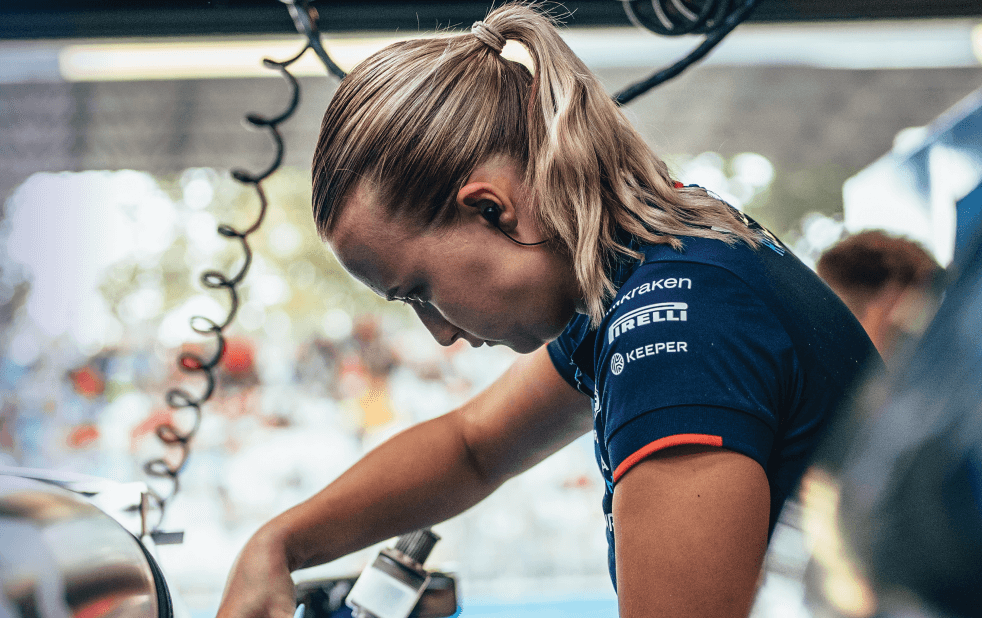
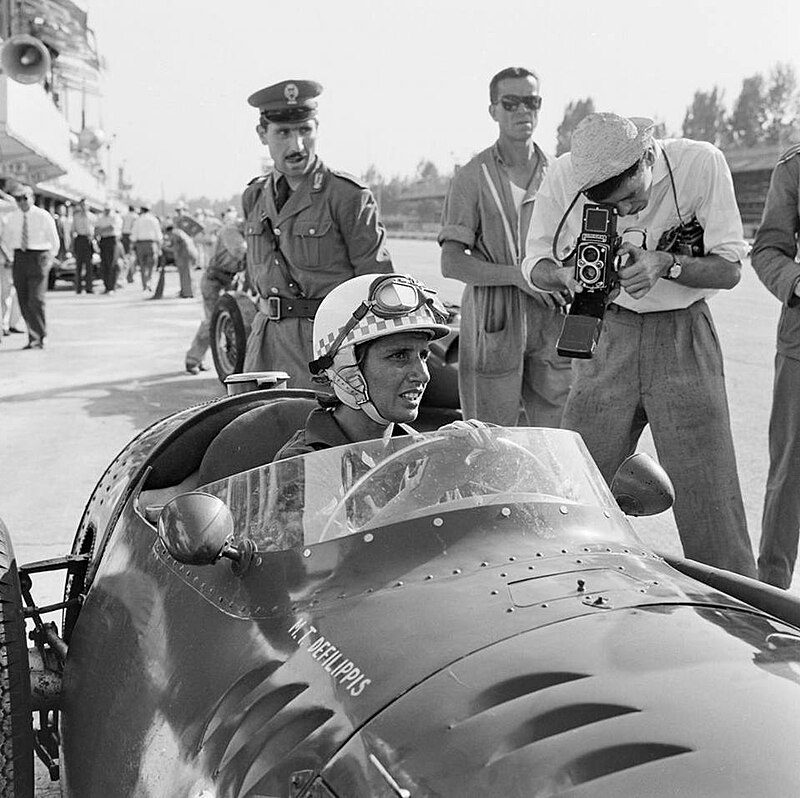
At its heart are three personal dimensions: who gets to own, who gets to drive, and who gets to watch. The project traces how financial barriers, gender expectations, and age profiles have shifted over time. It looks at why women competed in F1’s early decades but disappeared from the grid, even as female engineers and team principals emerged; why drivers are now younger than ever; and how fans have become more global, more diverse, and more digitally connected.
Equally central are the corporate and political stakes. The project analyses the geopolitics of the race calendar, from apartheid South Africa to today’s Gulf states; it examines how F1 has become a stage for sportswashing and soft power. It follows how the sport has grappled with sustainability such as reinventing itself with hybrid engines, synthetic fuels, and net-zero pledges, and how driver culture has shifted from maverick rebels to carefully managed brand ambassadors. Together, these themes reveal Formula 1 not just as a sporting contest but as a vivid lens on postwar and contemporary history.
Research Team
The project is led by Dr Ivan Simic, a scholar whose previous academic work bridges the history of Eastern Europe, disability, and gender with contemporary questions of social policy and culture. His academic research has been supported by international fellowships and grants, and he has published widely on the intersections of state power, everyday life, and marginalised communities in socialist and post-socialist societies. Simic holds a PhD from UCL in the UK, and has held research fellowships at Yale, Carleton, Charles University, while teaching history across the world.
Alongside his academic portfolio, he brings experience in public sector policy analysis, knowledge translation, and digital tool development, giving the project both rigorous historical depth and an applied, outward-facing dimension. The research team also includes graduate and undergraduate research assistants, who contribute to archival analysis, oral history collection, and data visualisation, ensuring the project combines individual expertise with collaborative, interdisciplinary energy.
Project Principles:

Comprehensive Historical Analysis
Gain a deeper understanding of how Formula 1 has influenced global culture and society across decades.

Academic Research Excellence
Provide rigorously researched publications that illuminate the complexities behind Formula 1’s evolution and impact.

Engaging Cultural Contexts
Explore the intersection of sport, politics, and society through engaging examinations of Formula 1’s cultural significance.